Where We Are Today
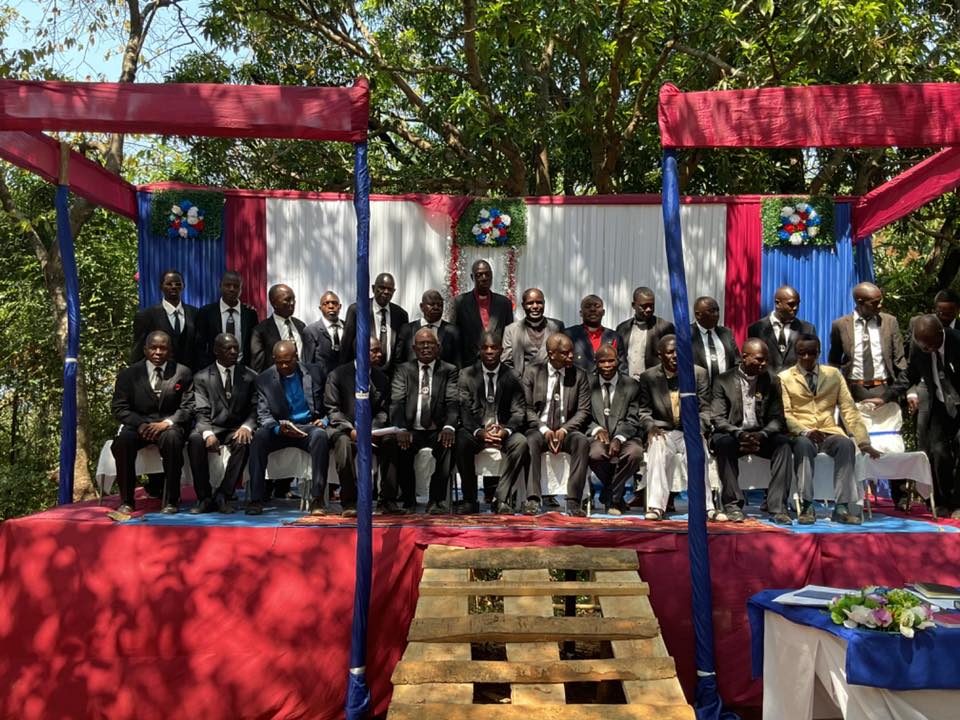
Today, Church of Africa Presbyterian is more than just a church - we're a family. We've created multiple ministries, launched outreach programs, and built a community where young people can authentically explore their faith while making lifelong friendships.
OUR STORY
Rev. Yesaya Zerenje Mwase, born around 1869/70 in Mlombozi, Chikuyu, within the Nkhata Bay district of Malawi, was a significant figure in the religious history of the region. He began his education at the Overtoun Institute at Livingstonia Mission in 1897, completing a teacher training course in 1899. He then pursued theological studies, graduating in 1905, and became a licensed preacher under the United Free Church of Scotland.
In 1914, Mwase was among the first three African ministers ordained by the United Free Church of Scotland in Nyasaland (now Malawi). By 1916, he was leading a parish independently of Scottish missionary supervision and was appointed as the first African Moderator of Livingstonia Presbytery in 1918. However, his tenure was marked by tensions due to his independent nature and disagreements over the strict application of church doctrines to newly converted Africans. Notably, in 1915, he faced suspension for baptizing catechumens without prior approval from his superiors.
A significant conflict arose in 1932 concerning his disciplinary actions against a church elder, leading to disputes with a Scottish minister. Feeling unjustly treated, Mwase resigned from the Church of Central Africa Presbyterian in September 1933. He subsequently established the Black Man's Church of God in Tongaland, aiming to create a church that resonated with African cultural identities and was free from European missionary oversight.
In 1935, Mwase's congregation, based near Chinteche in the Nkhata Bay district, united with two other African-initiated churches in northern Nyasaland to form the Blackman's Church of Africa Presbyterian (BCAP). Despite this union, each congregation maintained a significant degree of independence. Mwase's efforts were driven by a desire to establish a church that resonated with African cultural identities and was free from European missionary oversight.
Beyond his ecclesiastical endeavors, Mwase was active in politics through the Northern Province Native Association during the 1930s and 1940s. He provided evidence to the Abrahams Commission in 1946 and is believed to have passed away in the mid-1940s.
Rev. Mwase's legacy is evident in the establishment of a church that sought to integrate African cultural practices with Christian worship, reflecting a broader movement towards religious and cultural autonomy in Malawi during the colonial period.
The Blackman's Church of Africa Presbyterian (BCAP) emerged in the early 20th century in Nyasaland (now Malawi) as a result of African leaders seeking greater autonomy from European missionary control. The church was officially formed in 1935 through the union of three independent African-initiated congregations, each led by former ministers of the Free Church of Scotland's Livingstonia Mission.
Founding Figures and Their Journeys:
1. Rev. Yesaya Zerenje Mwase:
Background: Born around 1870 in the Nkhata Bay district, Mwase was educated at the Overtoun Institute at Livingstonia. He became one of the first three Africans ordained by the United Free Church of Scotland in Nyasaland in 1914.
Path to Independence: After disputes over church governance and disciplinary actions, Mwase resigned in 1933 and established the Black Man's Church of God in Tongaland.
2. Rev. Yafet Mkandawire:
Background: Also a Livingstonia alumnus, Mkandawire was ordained in 1918.
Path to Independence: Deposed in 1932 due to involvement with preventive witchcraft, he founded the African Reformed Presbyterian Church in the Livingstonia area.
3. Rev. Charles Chidongo Chinula:
Background: Educated at Livingstonia and ordained in 1925.
Path to Independence: After being deposed in 1930 for adultery, Chinula established an independent church named Eklesia Lananga ("Free Church") in the Mzimba district in 1934.
Formation of BCAP:
In 1935, these three leaders united their congregations to form the Blackman's Church of Africa Presbyterian. Despite the union, each congregation maintained a significant degree of independence. The formation of BCAP was driven by a desire to establish a church that resonated with African cultural identities and was free from European missionary oversight.
Motivations Behind the Movement:
Several factors contributed to the establishment of independent African churches like BCAP:
Delayed Integration: African leaders felt that European missionaries were slow to integrate Africans into full church membership and leadership roles.
Cultural Disconnect: There was dissatisfaction with the strict discipline imposed by missionaries, which often clashed with African customs and traditions.
Educational Empowerment: The high standard of education at institutions like Livingstonia fostered independent thinking among African graduates, leading them to question rigid doctrines and advocate for a church that embraced African cultural practices.
The BCAP represents a significant chapter in Malawi's religious history, highlighting the efforts of African leaders to create a self-governing church that honored their cultural heritage and addressed the spiritual needs of their communities.
500
Active Members
5
Years Serving
8
Ministries